Industry InsightsPractical
2026年5月22日
Kids’ Helmets Market: Balancing Safety, Fun, and Parental Peace of Mind
The kids’ helmets market continues to be one of the most emotionally resonant and commercially promising segments in the global head protection industry. Valued at approximately USD 1.2–1.8 billion i
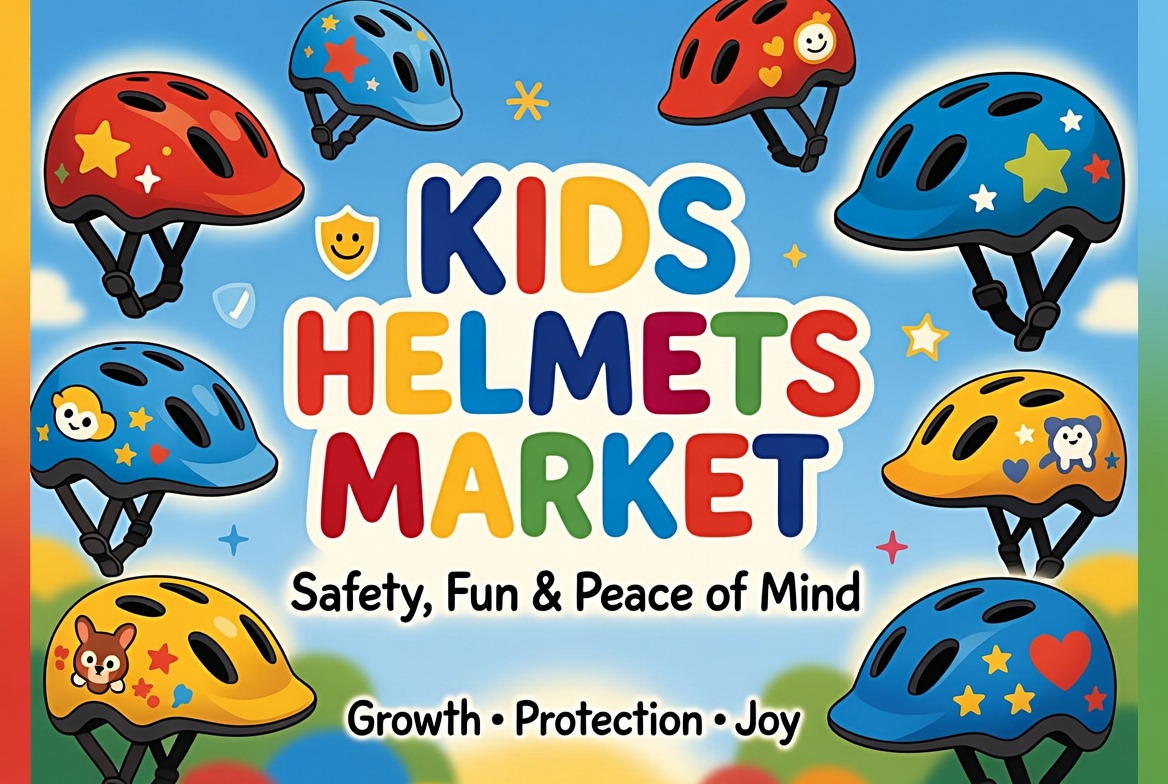
The kids’ helmets market continues to be one of the most emotionally resonant and commercially promising segments in the global head protection industry. Valued at approximately USD 1.2–1.8 billion in 2024–2025, the market is projected to reach USD 2.1–3.1 billion by 2033–2034, growing at a healthy CAGR of 6.2–6.8%. North America currently holds the largest share thanks to strong parental awareness and school-based safety programs, while Asia-Pacific is emerging as the fastest-growing region driven by rising urbanization, cycling participation, and improving regulatory frameworks.
This growth is fueled by three powerful forces: heightened parental concern for child safety, increased participation in cycling, skateboarding, and multi-sport activities, and significant design innovations that make helmets both protective and appealing to children. Unlike adult segments, where performance and style dominate, the kids’ market requires manufacturers to master a delicate balance — rigorous safety engineering must coexist with fun aesthetics and exceptional comfort to encourage consistent wear.
Safety Standards Remain Non-Negotiable
In the United States, all bicycle helmets sold must meet the mandatory CPSC (Consumer Product Safety Commission) standard, which includes stringent impact attenuation, retention system, and labeling requirements. In Europe, EN 1078 serves as the benchmark, while many premium brands also pursue voluntary certifications such as ASTM or Snell for added assurance. Recent recalls of non-compliant imported helmets (including several Amazon-sold models) have reinforced the importance of verified certifications. Parents are becoming increasingly vigilant, actively checking for genuine labels rather than accepting generic “safety certified” claims.
Design Trends: Where Fun Meets Function
Modern kids’ helmets have evolved far beyond basic foam-and-plastic designs. Key innovations include:
- Adjustable growth-fit systems that accommodate head growth spurts (often spanning 2–3 sizes).
- Lightweight polycarbonate shells paired with multi-density EPS or EPP foam liners.
- Excellent ventilation channels to prevent overheating during active play.
- Vibrant graphics, character collaborations (superheroes, animals, popular cartoons), and even customizable sticker kits.
- MIPS or rotational impact protection technology now available in many mid-to-premium models.
- Integrated LED lights and reflective elements for visibility.
Multi-sport helmets that work for cycling, skateboarding, and scooter use are the fastest-growing sub-segment, offering parents better value and versatility.
Parental Peace of Mind: The Emotional Driver
Parents are willing to pay a premium for helmets that their children will actually wear. Research shows that comfort, weight, and appearance directly influence compliance rates. Brands that invest in user-friendly fitting guides, virtual try-on tools, and educational content (fit videos, safety workshops) build stronger trust and loyalty. Community programs — such as school helmet distribution initiatives combined with proper fitting education — have proven highly effective at increasing real-world usage.
Regional Nuances and Challenges
North America and Europe emphasize premium features and strict compliance. In Asia-Pacific, volume growth is driven by e-bike family commuting and government safety campaigns, though counterfeit products remain a concern. Emerging markets in Latin America and Africa show rising potential as cycling infrastructure improves.
Opportunities for Stakeholders
For manufacturers and retailers, success in 2026 and beyond will depend on:
- Transparent communication of certifications and testing results.
- Sustainable materials (recycled shells, bio-based foams).
- Direct-to-consumer models with strong educational content.
- Partnerships with schools, cycling clubs, and pediatric health organizations.
The kids’ helmets market is more than a commercial opportunity — it represents a meaningful investment in the next generation’s safety. Brands that genuinely understand the emotional needs of parents while delivering fun, comfortable, and rigorously tested products will continue to thrive. As cycling and active play remain central to healthy childhoods worldwide, this segment offers both strong financial returns and significant societal impact.
Parents, safety professionals, and industry leaders should continue prioritizing certified, well-fitting helmets and supporting programs that make safety habitual rather than occasional. The peace of mind that comes from knowing your child is protected — while still enjoying the freedom of play — is priceless.